
One-Stop Footwear Sourcing: Why Global Buyers Work with Multi-Category Slipper Suppliers
International footwear sourcing can become complicated very quickly. A buyer may need flip flops from one factory, EVA slippers from another, clogs from a third
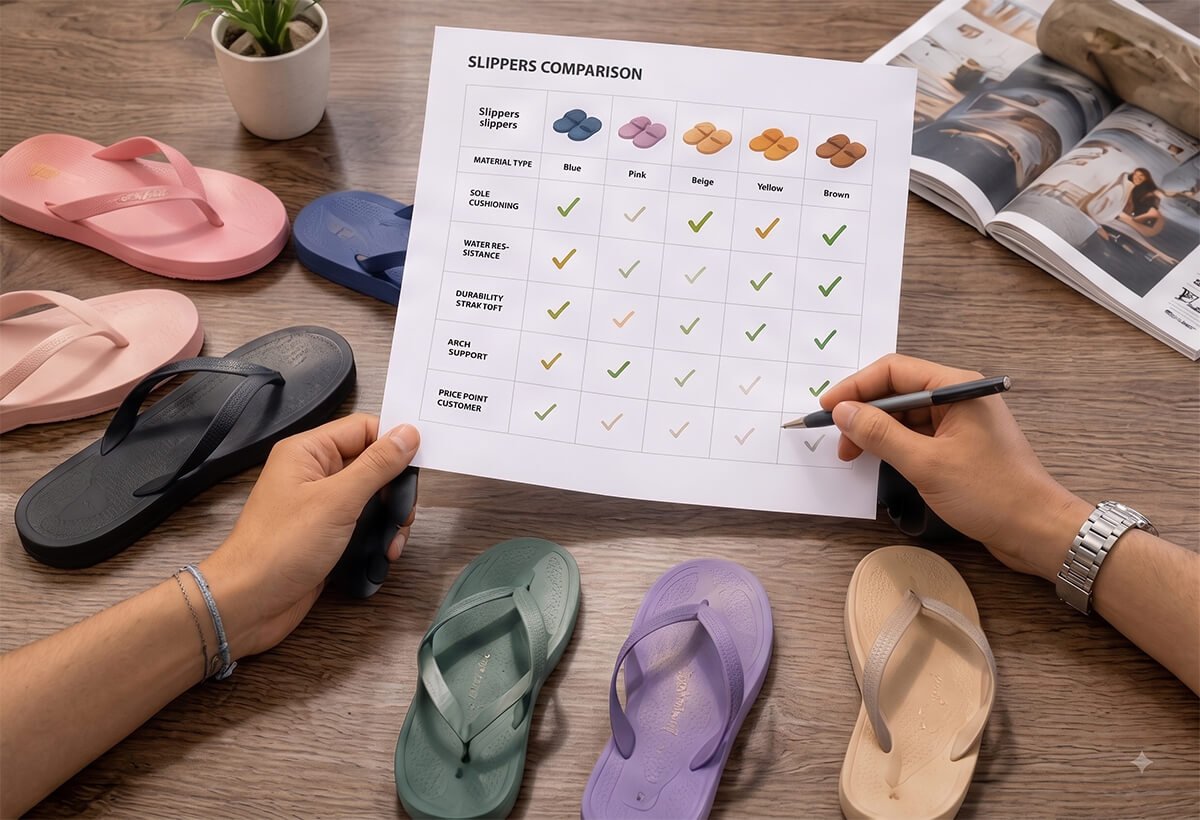
Choosing the right slippers manufacturer is an important decision for wholesalers, distributors, retailers, supermarkets and private label brands. The supplier you choose does more than produce footwear. It can affect your product quality, delivery schedule, sourcing cost, ability to launch new designs and even your reputation with customers.
For B2B buyers, a good supplier should offer more than a low unit price. Buyers also need stable production, flexible customization, reliable quality control and enough product options to match different markets.
Two Slippers is positioned as a global footwear sourcing supplier integrating more than 300 qualified factories. According to its company material, the business offers more than 30,000 SKUs, supports OEM and ODM projects and provides flexible production starting from a MOQ of 500 pairs.
The following points can help importers and sourcing managers evaluate a slippers supplier before placing a bulk order.
A broad product range gives B2B buyers more flexibility.
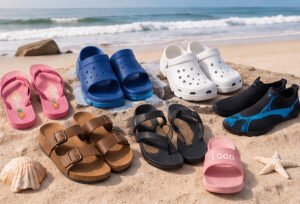
Instead of sourcing every footwear category from a different supplier, buyers may prefer a partner that can provide several related product lines. Common slipper categories include:
Two Slippers’ product portfolio includes all of these major categories.
This matters especially for wholesalers and retailers that sell several styles during different seasons. A buyer may purchase basic EVA slides for summer, clogs for casual outdoor use and beach sandals for holiday markets.
Working with a broader supplier can also simplify communication, sample management and container planning.
Different markets require different materials.
PVC flip flops are often selected for affordable everyday footwear and promotional products. According to the supplied product information, the PVC styles feature water- and abrasion-resistant material, a one-piece construction, textured outsoles and logo customization options.
EVA slippers, by comparison, focus more strongly on lightweight comfort. Two Slippers describes its EVA products as lightweight, waterproof, quick-drying and easy to clean, with shock-absorbing characteristics suitable for casual wear, home use, poolside use and travel.
Before ordering, buyers should therefore ask the supplier about:
Selecting the right material helps balance price, comfort and target-market positioning.
Private label buyers need more than ready-made products.
A capable OEM slippers manufacturer should be able to support customization such as logos, colors, packaging, uppers, sole combinations and labeling.
ODM support is also valuable for buyers who need help developing a new collection instead of simply putting a logo on an existing design.
When discussing customization, send the supplier a clear specification sheet containing:
The clearer the specification, the easier it is for the supplier to quote accurately and prepare samples.
Two Slippers states that it supports ODM/OEM sourcing and precise product matching for international buyers.
MOQ can strongly affect inventory risk.
Large buyers may be comfortable ordering tens of thousands of pairs, while new importers or online brands may prefer smaller first orders.
Two Slippers lists a starting MOQ of 500 pairs for flexible production.
However, buyers should confirm whether the MOQ applies per:
For example, an order of 1,000 pairs may still require a minimum quantity for each colorway.
Always request an MOQ breakdown before approving samples.
Quality control is one of the most important parts of footwear sourcing.
Bulk production should match the approved sample in appearance, sizing, workmanship and packaging.
A professional supplier should have inspection procedures covering raw materials, production and finished products.
Two Slippers states that it follows third-party inspection systems such as SGS and applies quality control throughout the production process. Its company material also references GRS, BSCI, Disney authorization and factory audits connected with major international retailers.
For your own order, consider defining inspection points such as:
An approved inspection standard can prevent disputes later.
Footwear trends change quickly.
Retail buyers frequently need new colors, new sole shapes and new combinations before the next selling season.
Two Slippers operates a product showroom of more than 200 square meters with over 30,000 SKUs. The company states that showroom products are updated monthly according to global fashion trends and overseas market preferences.
For buyers, a large showroom or product development library can shorten sourcing time because more existing molds and concepts are available for reference.
Instead of starting every project from zero, buyers can select an existing base design and customize it.
A supplier should be able to support both your first order and future growth.
Before placing an order, ask:
Two Slippers says it integrates more than 300 qualified factories, giving it access to a wide footwear supply network.
For B2B buyers, diversified production resources can be useful when purchasing multiple footwear categories or planning larger seasonal programs.
The lowest quotation is not always the lowest-cost option.
A slightly cheaper pair of slippers can become expensive if it causes:
Instead of comparing only FOB or EXW prices, consider total sourcing value.
Look at product quality, communication, development speed, MOQ, inspection, packaging and delivery performance together.
Choosing a reliable slippers manufacturer requires more than finding a low price.
For wholesale and OEM orders, buyers should evaluate product range, materials, customization ability, MOQ, quality control, product development and supply reliability.
A supplier with a wide footwear portfolio can also make sourcing more efficient. Two Slippers combines multiple slipper and sandal categories with 30,000+ SKUs, access to 300+ qualified factories, OEM/ODM support and service to buyers across more than 100 countries and regions.
For distributors, wholesalers, retailers and private label brands, the goal should be to build a supply chain that can support both current orders and future product growth.
Suggested CTA:
Looking for a reliable slippers supplier for your next wholesale or private label project? Send us your target style, quantity, material and market requirements to receive suitable product recommendations and a quotation.
International footwear sourcing can become complicated very quickly. A buyer may need flip flops from one factory, EVA slippers from another, clogs from a third
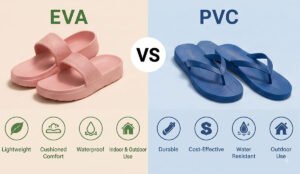
When sourcing slippers in bulk, one of the first decisions buyers need to make is the material. Two of the most common choices are EVA